
In today's rapidly evolving educational landscape, studying with AI is becoming an integral part of effective learning. As students and lifelong learners, understanding how to harness artificial intelligence can significantly improve academic performance and streamline study habits. This article delves into the practical applications of AI in education, offering insights on how to integrate these advanced tools into your study routine, ultimately leading to a more personalized and efficient learning experience.
Article · Study With Ai
How to Study with AI Effectively for Better Learning
Explore strategies to study with AI and enhance your learning experience. Discover tools that personalize learning and improve retention.
Understanding AI in Education
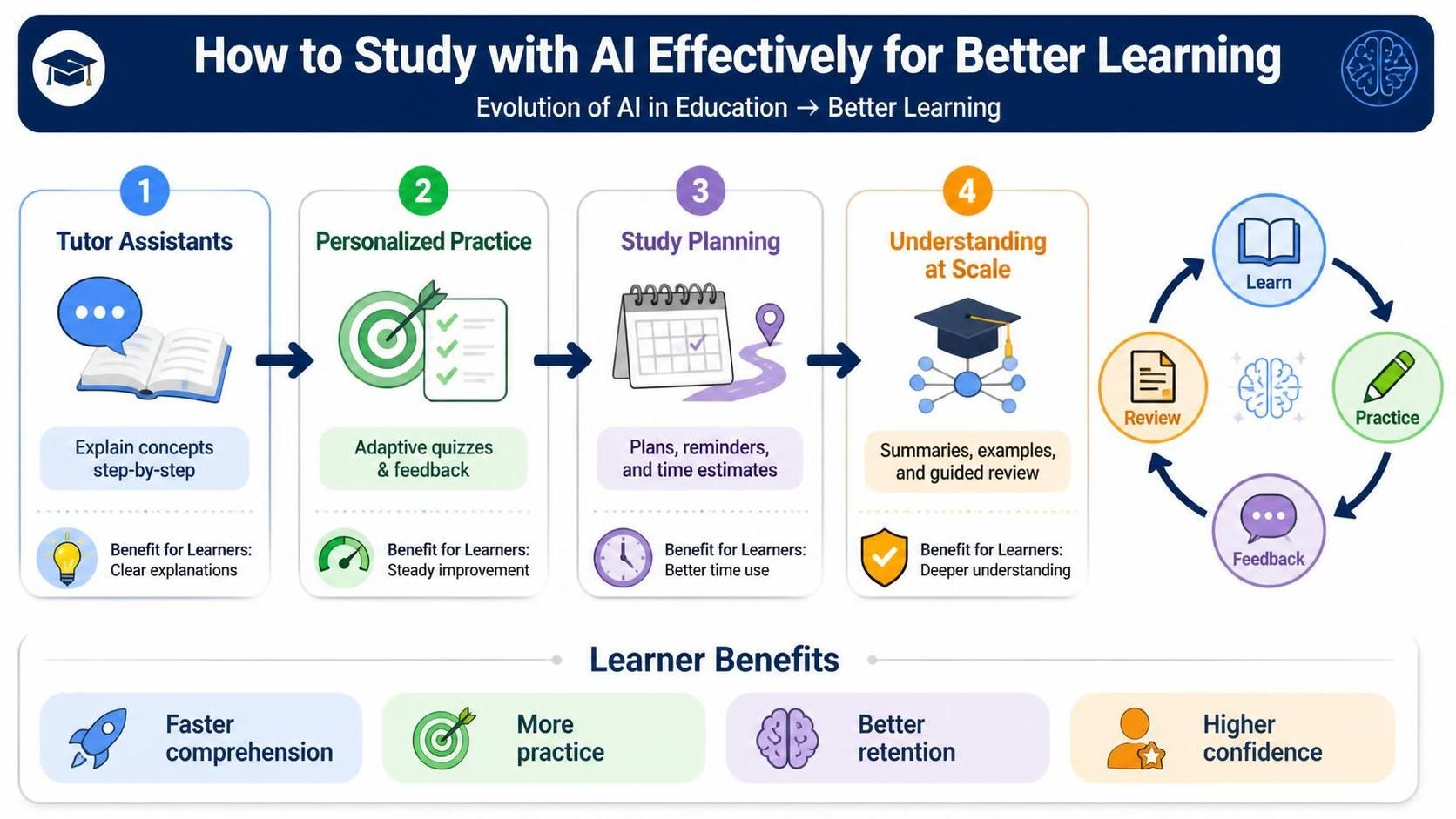
Artificial Intelligence (AI) has rapidly transitioned from a futuristic concept to a valuable tool in various sectors, including education. Understanding how AI works in educational contexts is essential for effective study with AI. At its core, AI encompasses algorithms and software designed to simulate human intelligence, enabling machines to perform tasks like problem-solving, learning, and understanding natural language. This technology can analyze vast amounts of data and identify patterns, making it ideal for personalizing the learning experience for each individual. As a student or lifelong learner, recognizing the full potential of AI can allow you to tailor your study strategies, leading to more effective learning outcomes.
Personalized Learning Pathways
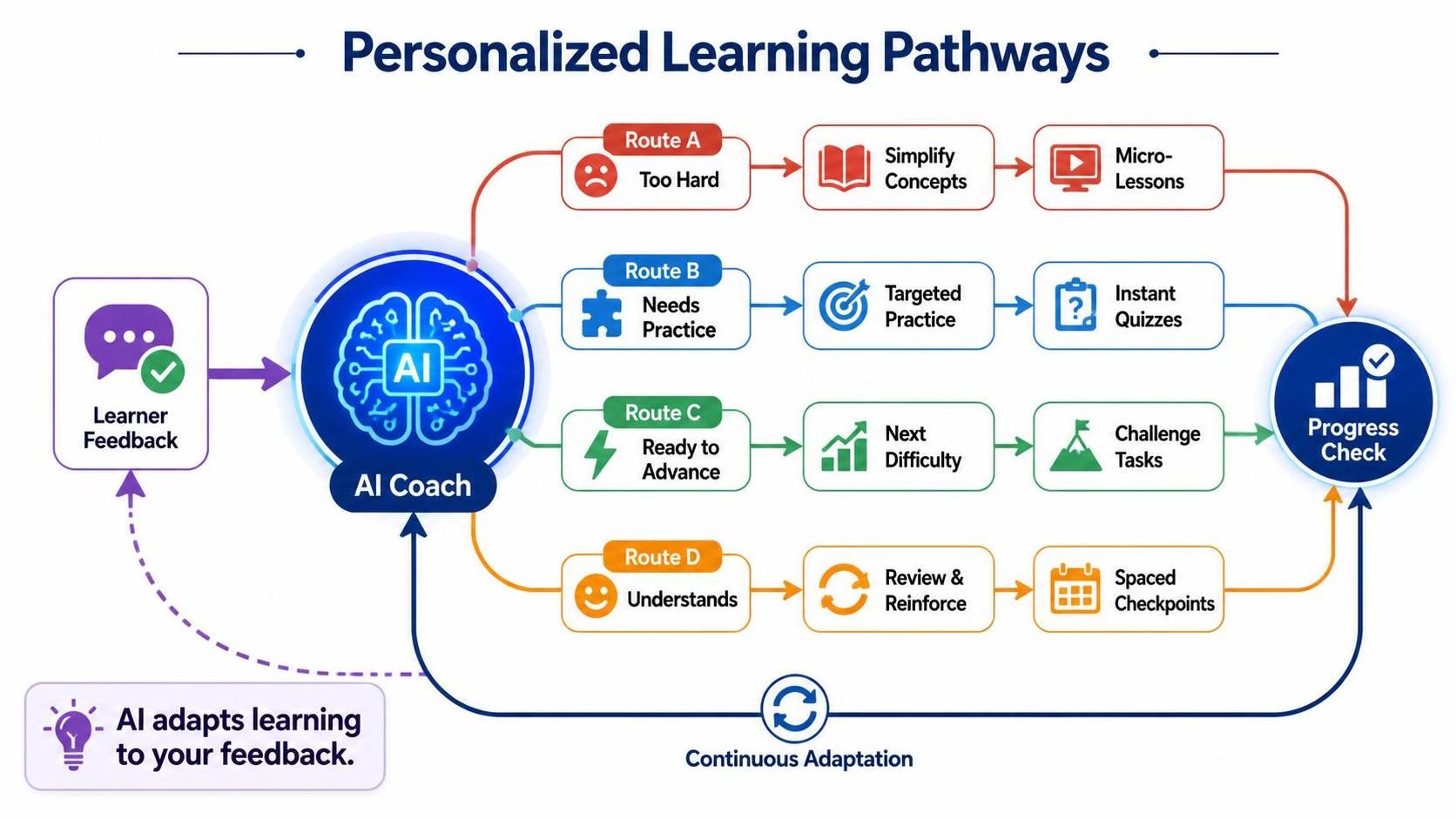
One of the significant advantages of using AI in studying is its ability to create personalized learning pathways. Traditional education often employs a one-size-fits-all approach, but AI can adapt to each learner’s needs, strengths, and weaknesses. For instance, platforms like Intelligent Tutoring Systems can assess your knowledge level and learning style, adjusting the curriculum accordingly. By utilizing these personalized learning pathways, you can focus on areas that require improvement while advancing more quickly through concepts you have already mastered.
AI Tools for Enhanced Study
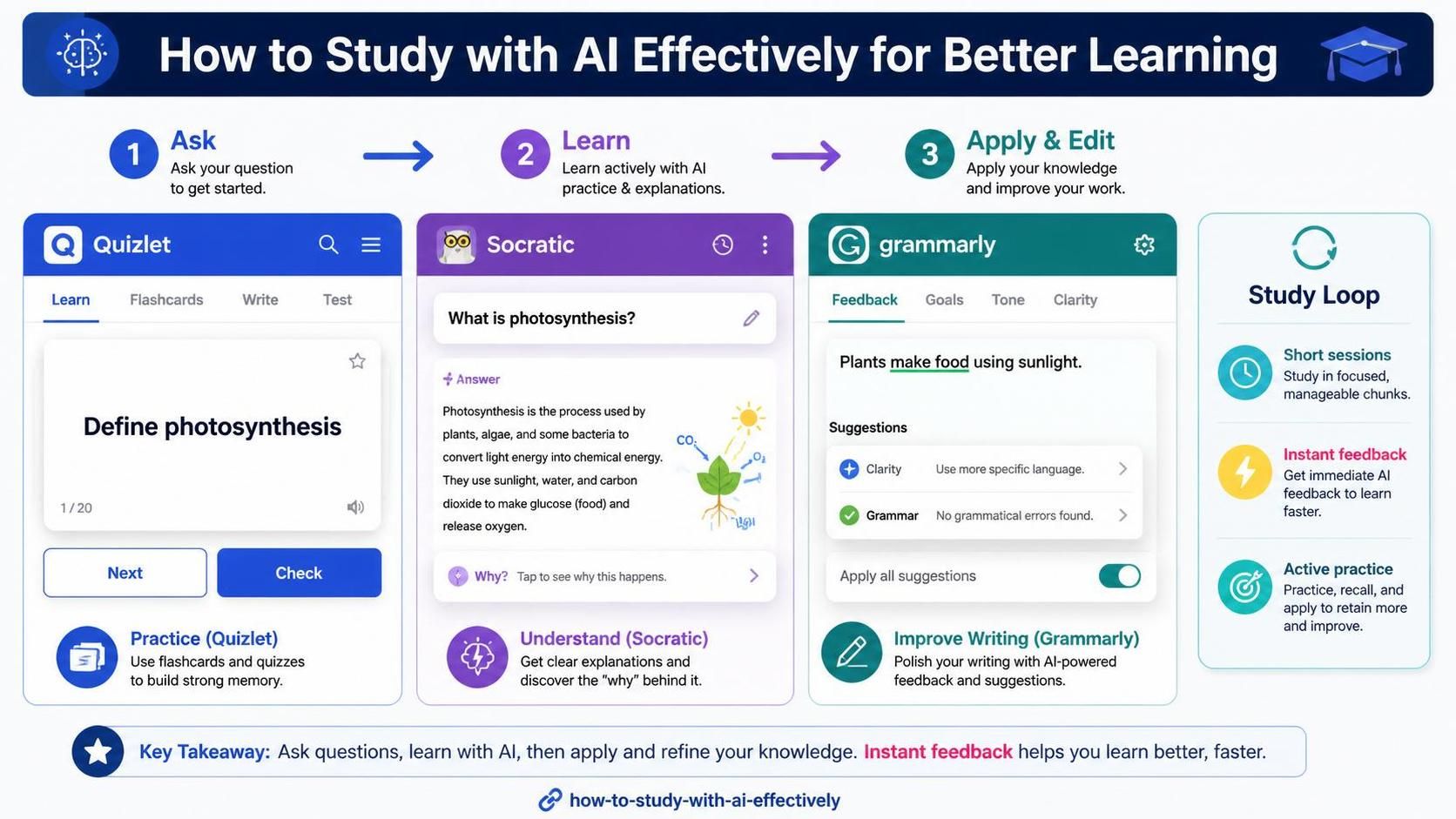
To effectively study with AI, numerous tools and applications are available that cater to diverse learning preferences. These tools not only facilitate learning but also enhance retention and engagement. Popular AI-based tools include:
- Quizlet: A study tool that uses AI to help students create and find flashcards, quizzes, and practice tests tailored to their study materials.
- Socratic: This app leverages Google's AI to assist students by providing answers and explanations to homework questions through image scanning and text input.
- Grammarly: An AI-driven writing assistant that not only corrects grammar but also provides style suggestions and readability analysis, making it invaluable for written assignments.
These tools can streamline the study process, clearly emphasizing their role in enhancing academic performance.
AI-Driven Feedback Systems
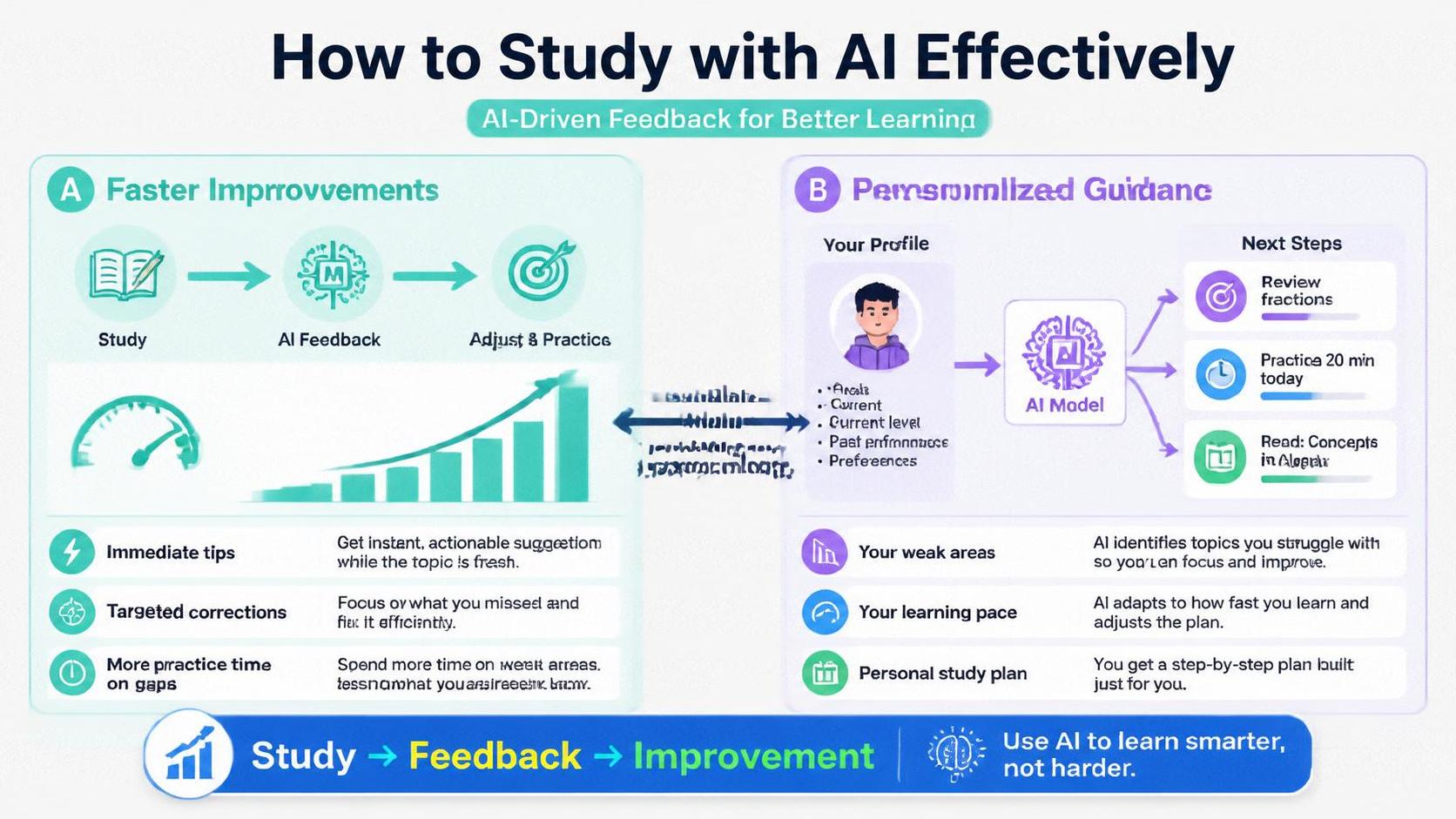
Immediate and constructive feedback is crucial for effective studying. AI-driven feedback systems revolutionize the way students receive evaluations on their work. For example, platforms like Turnitin use AI to analyze plagiarism, while educational platforms like Edmodo provide real-time feedback on quizzes and assignments. Such systems allow learners to understand their mistakes, edit their work, and improve over time.
Incorporating these AI resources into your study routine can notably enhance your learning curve. The immediate insights offered by these tools foster an environment of continuous improvement and adaptability.
Streamlining Study Habits with AI
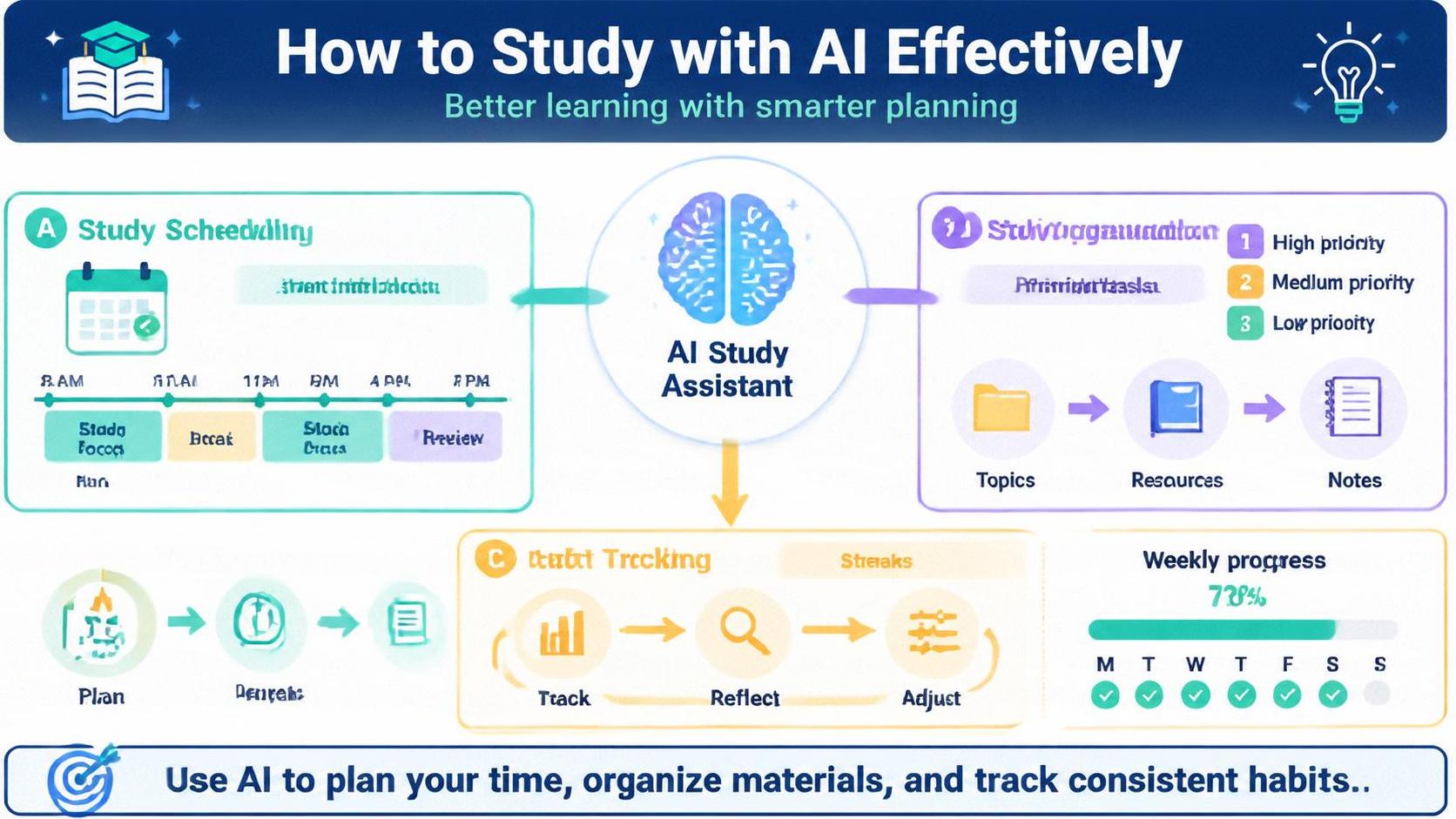
Apart from personalized learning and feedback, AI can significantly streamline your study habits. Digital assistants like Google Assistant or Siri can help you schedule study sessions, remind you of deadlines, and create to-do lists. Employing these technologies can eliminate distractions and help you stay organized. Additionally, applications such as Forest promote focus by gamifying productivity, encouraging you to stay off your phone while studying.
Balancing your study time effectively with these tools ensures a more organized and efficient learning experience, empowering you to maximize your study sessions.
Enhancing Memory Retention with AI
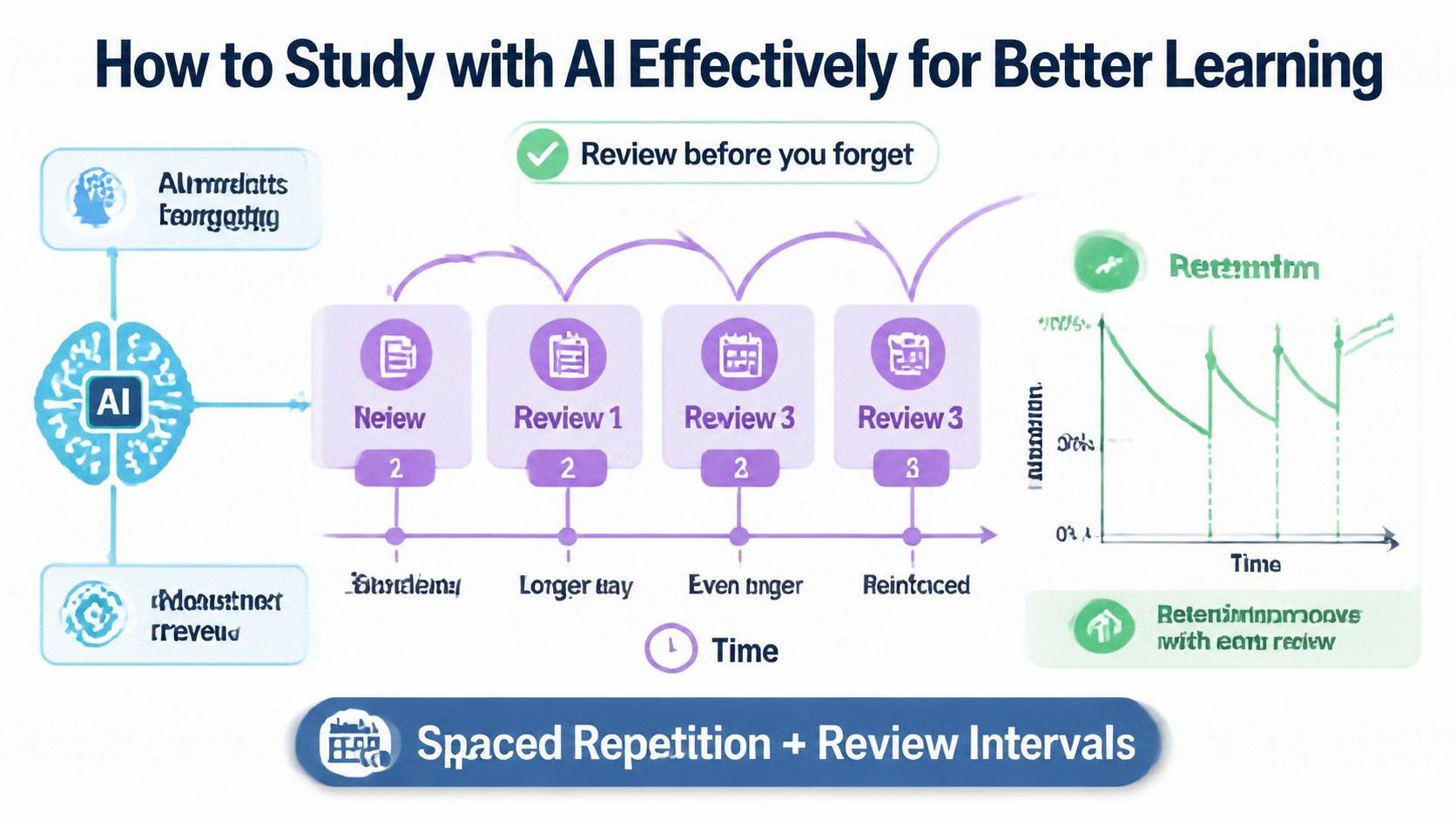
Memory retention is a critical aspect of effective studying, and AI can play a significant role in enhancing it. Research has shown that spaced repetition, a technique where learners review material at increasing intervals, can dramatically improve recall. Many AI-powered learning platforms, such as Anki and Memrise, employ this methodology by scheduling review sessions based on your performance. AI analyzes your engagement and comprehension, determining when to reintroduce concepts, ensuring information is efficiently embedded in your long-term memory.
By incorporating memory-enhancing techniques into your study routine through these AI tools, you can improve not only retention rates but also overall academic performance.
Creating Engaging Learning Experiences
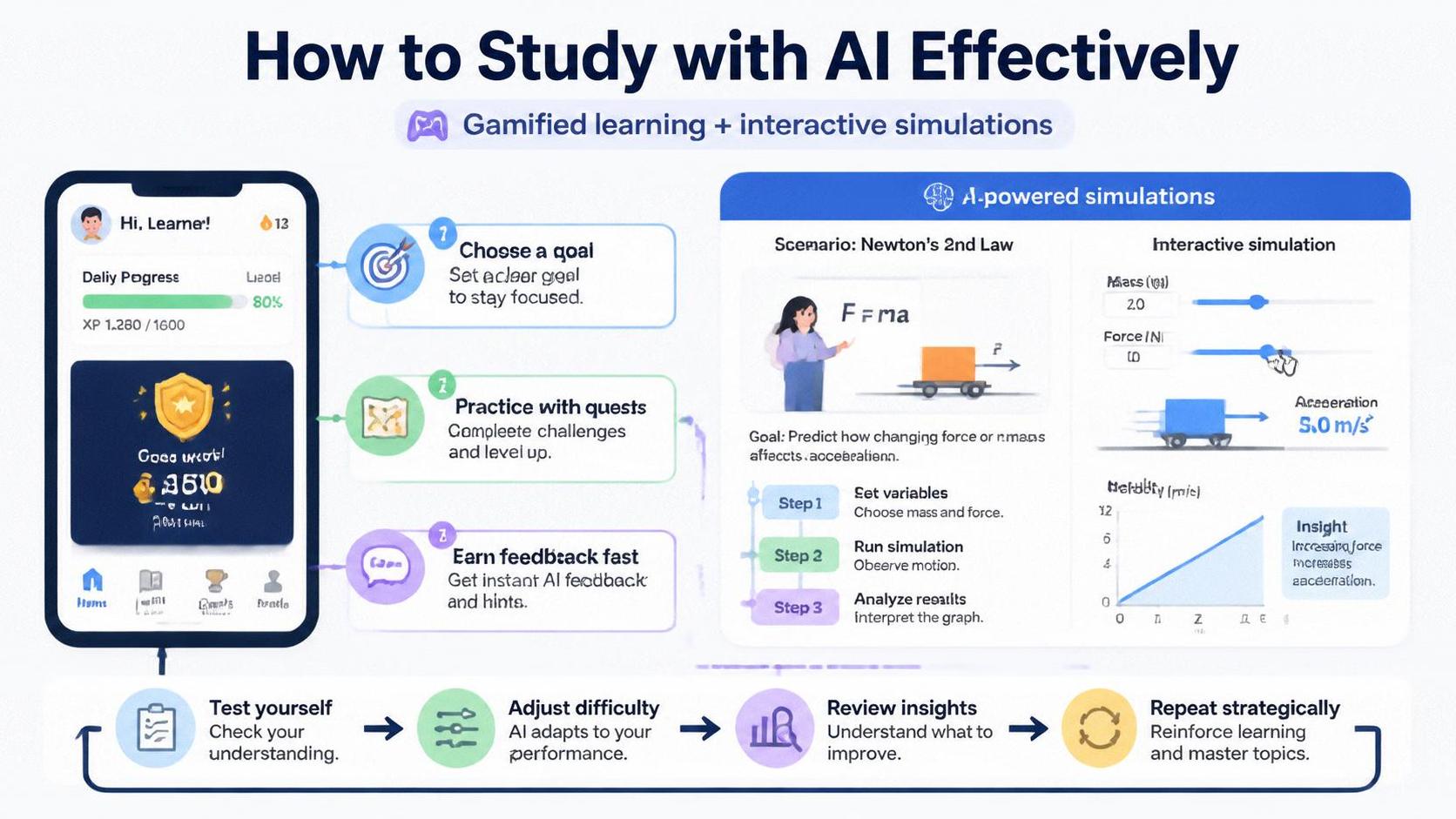
AI isn't just about efficiency; it's also about creating engaging learning experiences. Organizations such as Knewton provide adaptive learning technologies that cater to individual learning preferences, making studying more interactive. Interactive simulations, gamified learning experiences, and AI-generated quizzes can keep learners involved, making the process enjoyable and enriching. The excitement generated through these innovative approaches enhances motivation and encourages a deeper engagement with the material, leading to improved learning outcomes.
Integrating engaging AI tools into your study strategies can aid not just in retention and comprehension but also in fostering a genuine interest in the subject matter.
Overcoming Challenges with AI
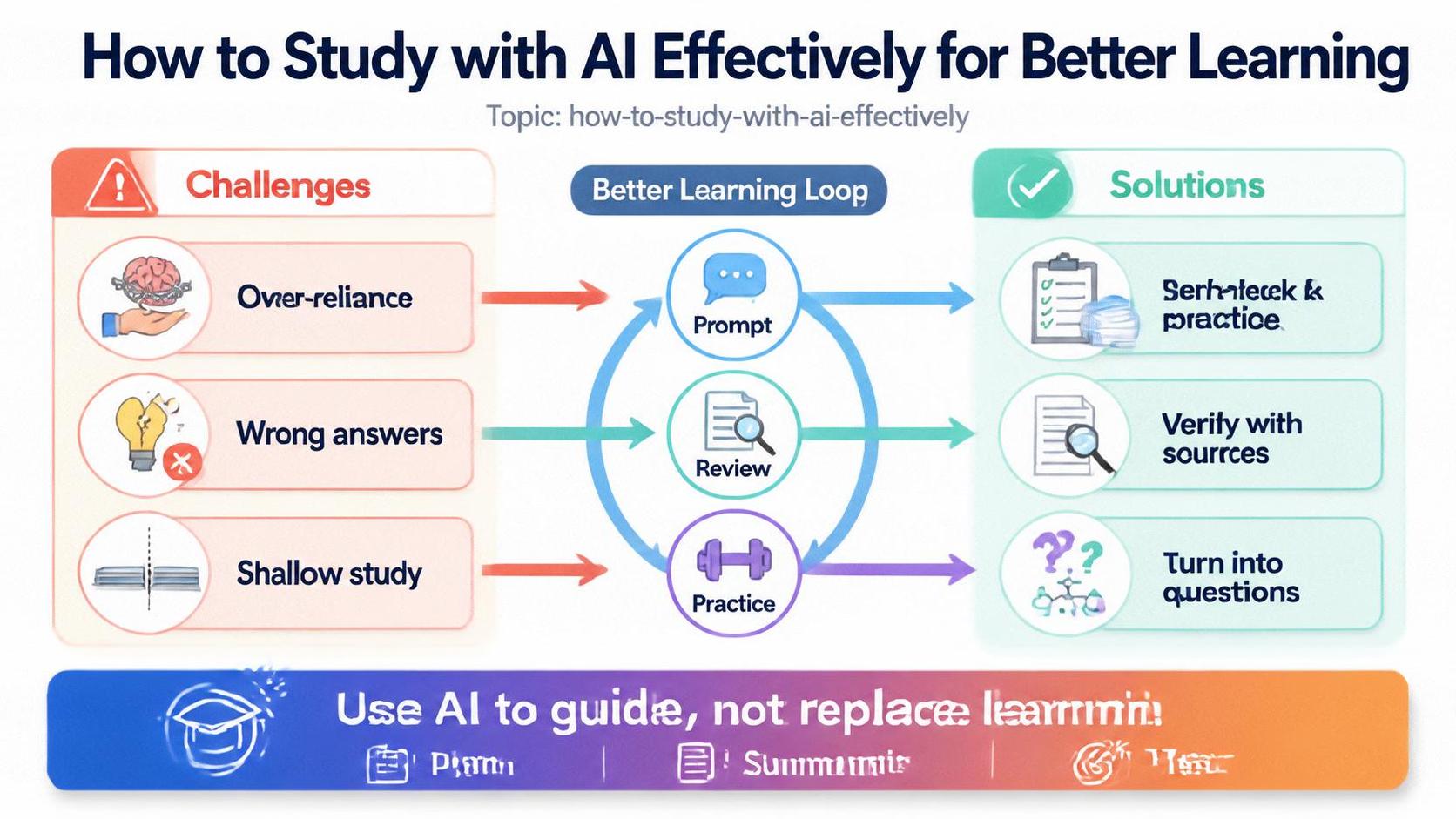
Despite the numerous benefits of studying with AI, it's essential to acknowledge potential challenges. One major issue is the accessibility of AI tools; while many are free or low-cost, some advanced platforms can be prohibitively expensive. Additionally, overreliance on AI for answers can limit critical thinking and problem-solving skills. To overcome these challenges, learners should approach AI as a supplementary resource rather than a primary crutch. Balancing technology use with traditional study techniques ensures that students develop a well-rounded educational experience that hones both knowledge and analytical skills.
Maintaining awareness of these challenges will empower learners to use AI effectively and responsibly.
Future of Studying with AI
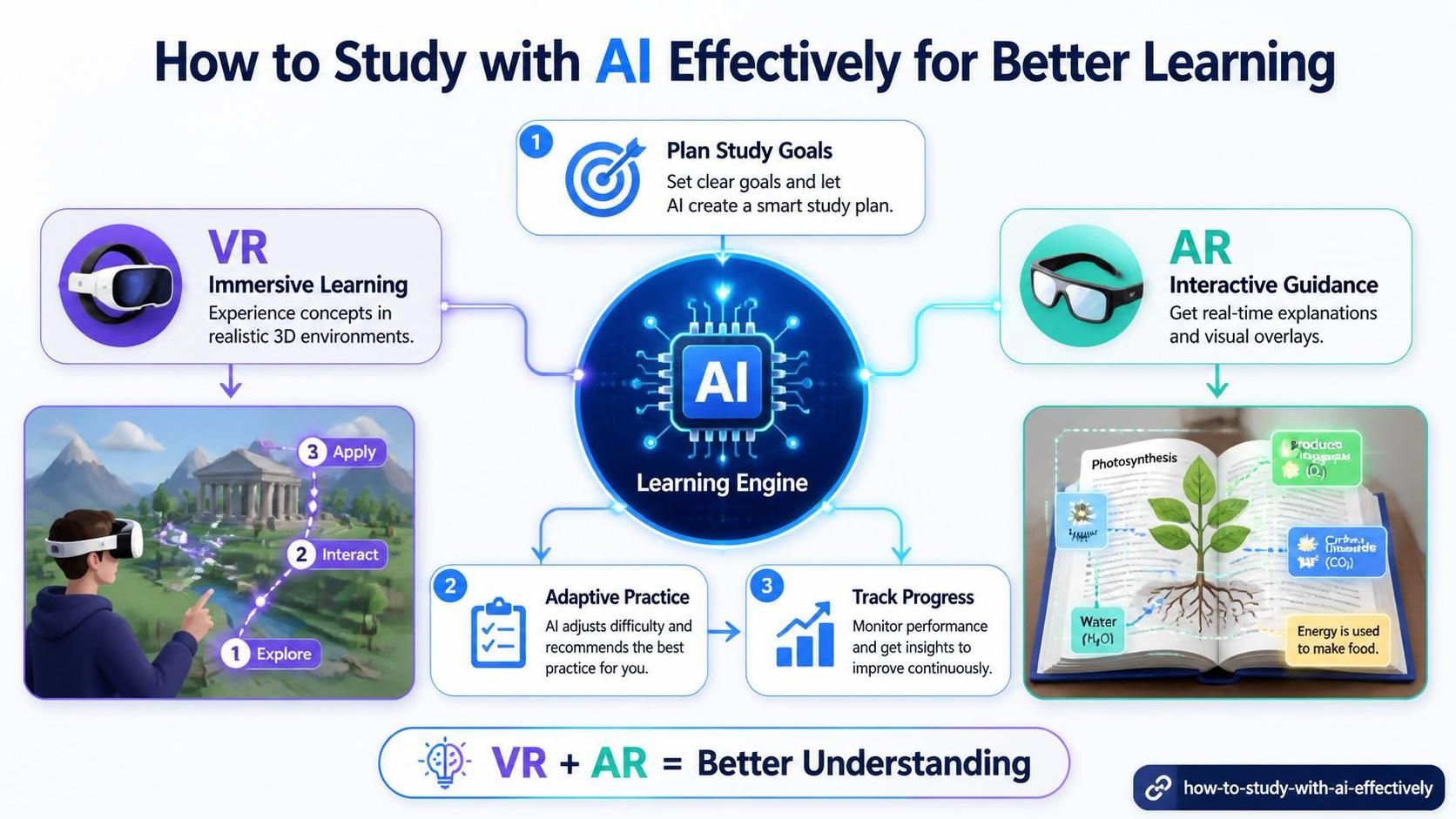
The future of studying with AI looks promising, with rapid advancements on the horizon. Emerging technologies such as virtual reality (VR) and augmented reality (AR) will likely integrate with AI to create immersive learning experiences. Students could interact with 3D models of historical events, engage in virtual experiments, or practice foreign languages with AI-driven conversation partners. These innovations will not only enrich the learning experience but also cater to diverse learning styles and preferences.
As technological advancements continue, students must stay informed on new tools and trends that aid learning enhancement through AI, ensuring that their educational strategies remain current and effective.
Frequently asked questions
AI plays a significant role in education by personalizing learning experiences, analyzing data for insights, and providing adaptive learning pathways suited to individual needs.
AI can assess a learner's knowledge level and learning style, allowing it to adjust the curriculum to focus on weaker areas while advancing through mastered concepts.
Some popular AI tools include Quizlet for flashcards, Socratic for homework assistance, and Grammarly for writing and grammar enhancement.
AI-driven feedback systems provide immediate evaluations, allowing students to understand their mistakes and make corrections quickly, fostering a continuous improvement cycle.
AI digital assistants like Google Assistant and Siri help schedule study sessions, set reminders for deadlines, and organize to-do lists to streamline study habits.
AI enhances memory retention through techniques like spaced repetition, where learning platforms schedule review sessions based on performance analytics.
Yes, AI tools can create engaging learning experiences through interactive simulations, gamified content, and adaptive technologies that cater to individual preferences.
Challenges include accessibility to advanced tools and the risk of overreliance on AI, which may hinder critical thinking and problem-solving skills.
Students should use AI tools as supplementary resources alongside traditional study techniques, ensuring a balanced approach to learning.
The future includes the integration of technologies like virtual reality and augmented reality, promising to create immersive and interactive learning experiences.