In today's fast-paced academic environment, students are constantly seeking innovative ways to enhance their study habits and improve academic performance. AI study tools are at the forefront of this transformation, offering personalized learning experiences that adapt to individual needs. By leveraging these advanced technologies, students can optimize their study techniques, better comprehend complex subjects, and ultimately achieve their educational goals. This article explores some of the best ai-study-tools currently available, equipping learners with the knowledge to select the right resources for their unique needs.
Article · Ai Study Tools
Top AI Study Tools for Students to Boost Learning
Discover the best AI study tools designed to enhance students' learning efficiency and academic success in this insightful guide.
Understanding AI Study Tools
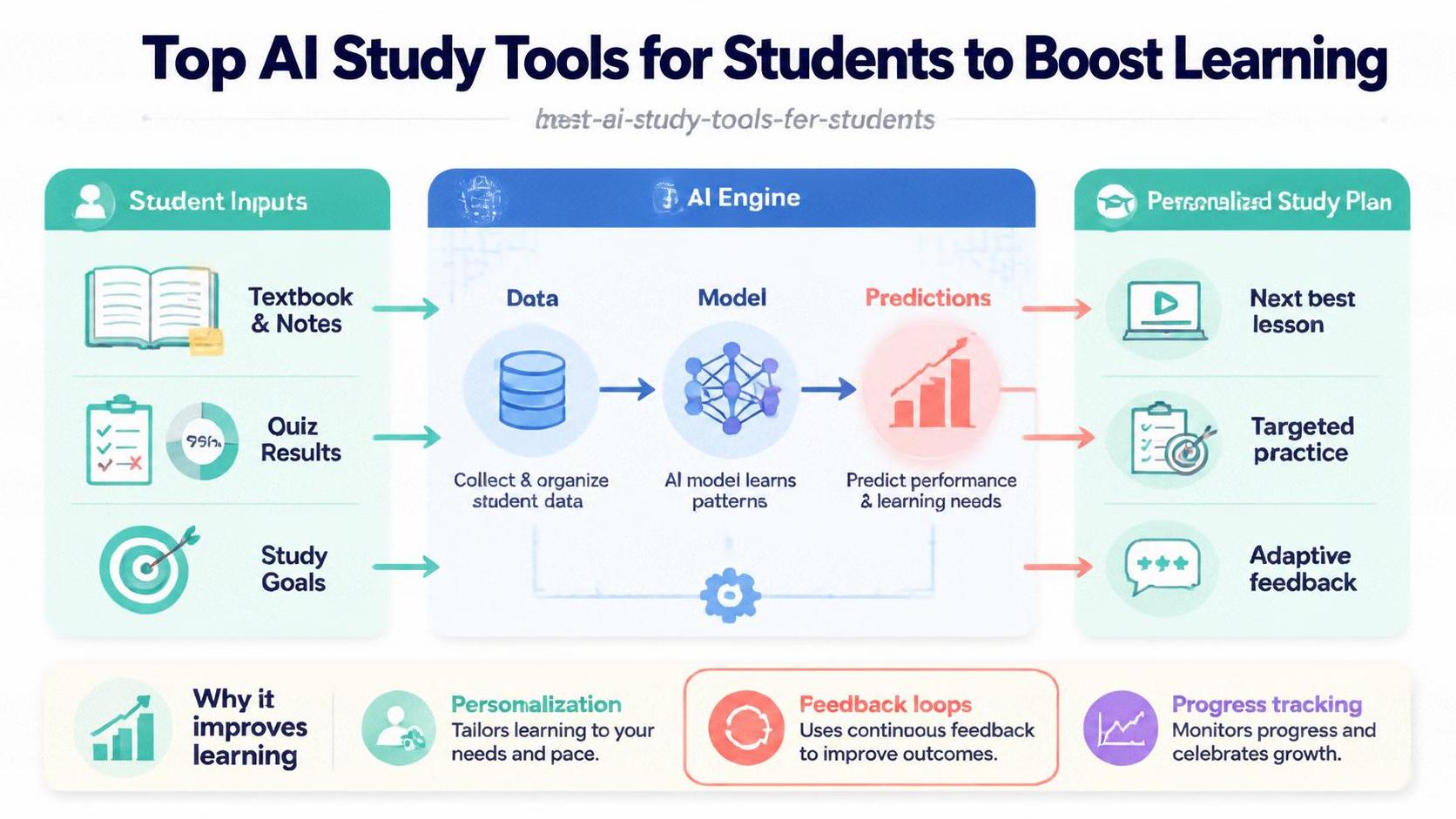
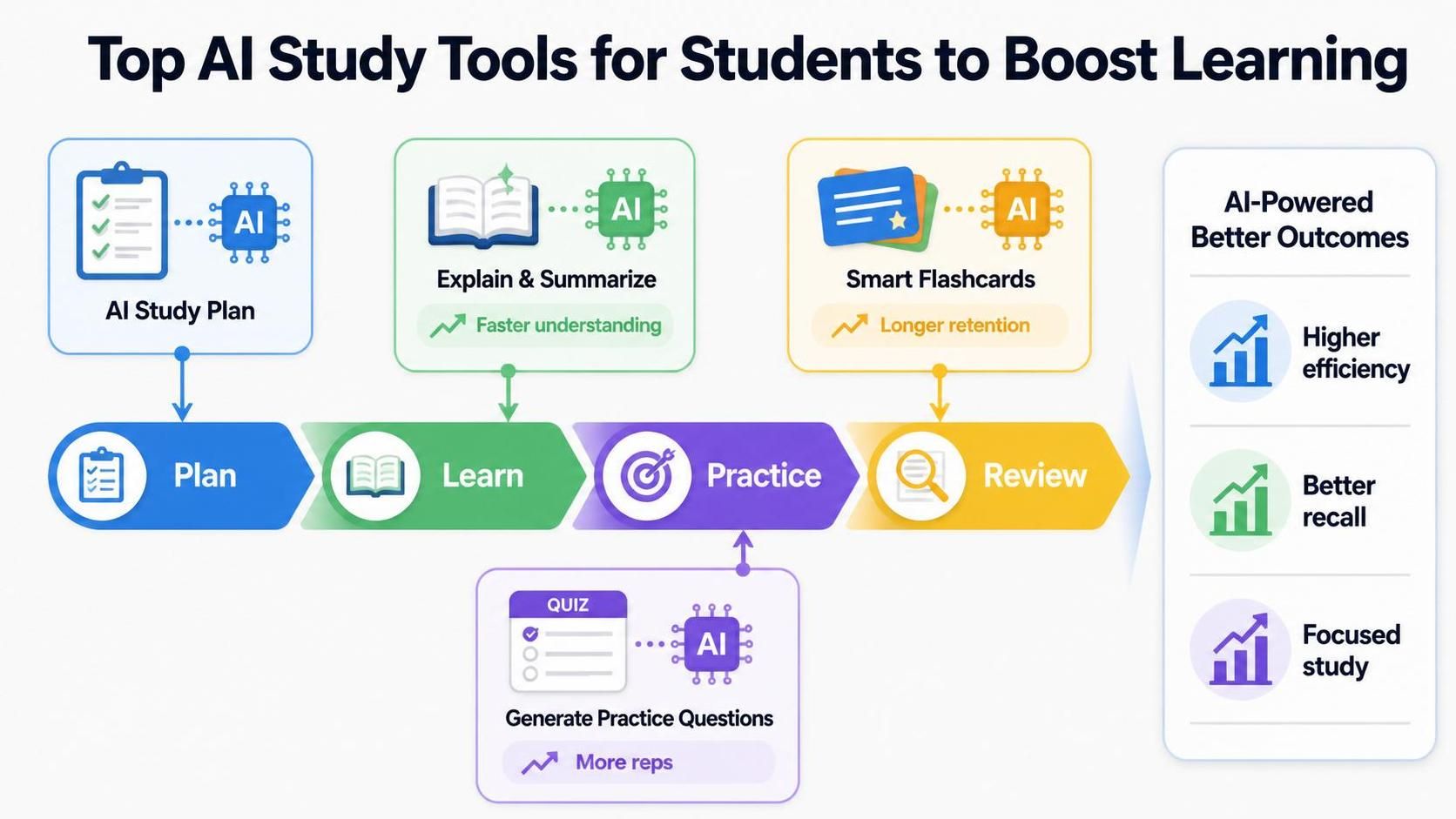
AI study tools utilize sophisticated algorithms and machine learning to assist students in mastering their subjects more effectively. At their core, these tools analyze a student’s learning style, preferences, and proficiency levels to create a personalized educational experience. They are designed not just to provide information but to enhance understanding and retention. Many of these tools offer features such as interactive quizzes, personalized study plans, and analytics to track progress, helping students stay organized and motivated. As students explore these options, it's essential to identify tools that resonate with their specific learning needs and academic goals.
Popular AI Study Tools
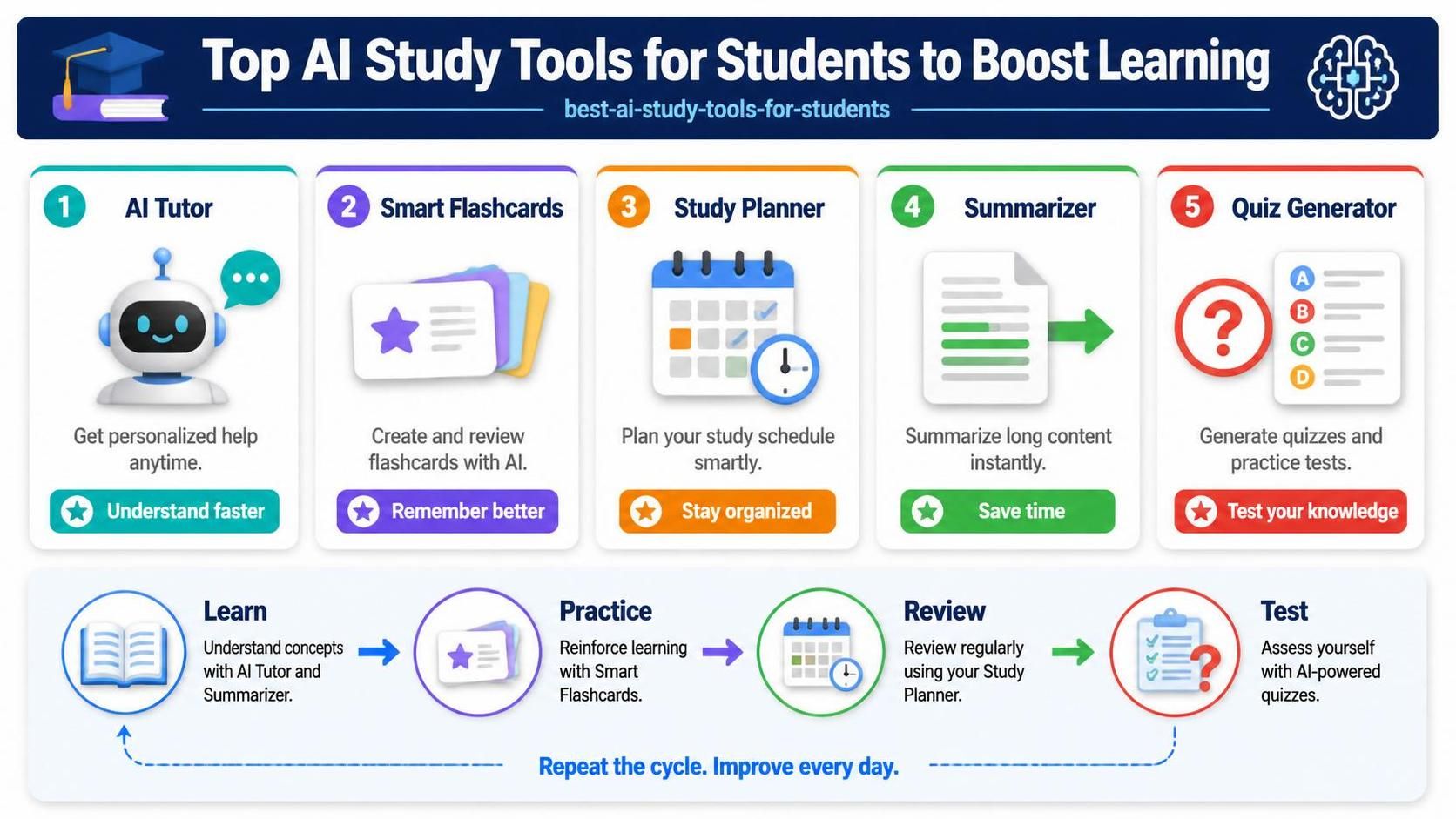
Several AI study tools have gained popularity among students for their unique features and benefits. Here are some of the most effective tools, each catering to different academic needs:1. Grammarly - Primarily known for grammar and spell-checking, Grammarly also employs AI to enhance writing clarity and tone. For students, it offers insights on writing style, making it a valuable resource for drafting essays, reports, and other academic papers.2. Quizlet - Quizlet incorporates AI in its learning systems by allowing students to create flashcards and interactive learning sets. Its AI capabilities help in recommending study materials based on previous performance and the difficulty level of concepts.3. Khan Academy - This platform uses AI to personalize learning experiences through various subjects, from math to science. With tailored exercises that adapt to students' learning speeds, Khan Academy enhances comprehension while allowing students to revisit challenging sections.4. Socratic - An innovative study tool by Google, Socratic utilizes AI to help students understand complex topics by answering questions and providing explanations through images, videos, and step-by-step guides. Its user-friendly interface encourages students to engage actively with their subjects.5. Wolfram Alpha - Known as a computational engine, Wolfram Alpha can solve complex mathematical problems and provide data-driven answers across various disciplines. Its powerful algorithms assist students in finding solutions and explanations, positioning it as a go-to tool for STEM students.
Choosing the Right AI Study Tool
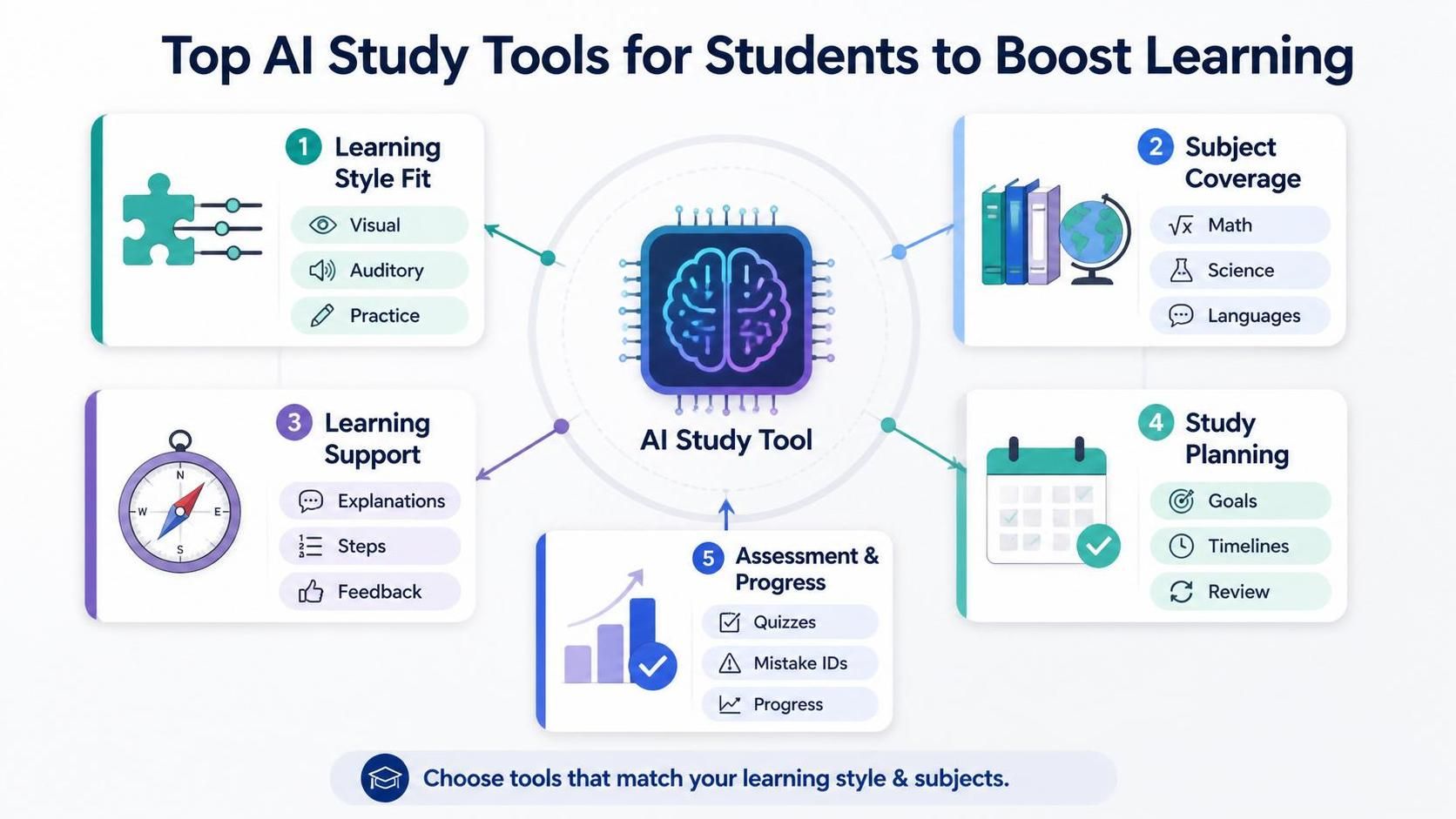
Selecting the right AI study tool depends on several factors, including learning style, subject matter, and specific goals. Here are some guidelines to help students make informed decisions:1. Assess Learning Style: Determine whether visual, auditory, or kinesthetic learning strategies suit you best. Some tools are better for visual learners, while others cater to those who learn by listening or doing. For instance, Quizlet might be ideal for visual learners, while a tool like Socratic may benefit those looking for diverse resources.2. Consider Subject Matter: Some tools are specialized for particular subjects. For example, Wolfram Alpha is exceptional for math and sciences, while Grammarly serves students across all disciplines needing to enhance their writing skills.3. Evaluate Features: Look for key features that meet your unique needs. If progress tracking and study analytics are crucial, preferences should guide the choice of tools like Khan Academy or Quizlet.4. User Experience: The interface and usability of the tool are vital. A user-friendly interface can significantly enhance engagement and productivity, so students should test a few options before settling on one.5. Seek Recommendations: Peer reviews and recommendations from instructors can offer insights into the effectiveness of different tools. Students can also explore online communities, forums, and educational websites for feedback on AI study tools.
Enhancing Study Techniques with AI
AI study tools not only support basic learning but can also revolutionize study techniques. Students can leverage several features from these tools to optimize their study habits:1. Personalized Study Plans: Tools like Khan Academy create tailored study plans based on a student’s performance. By identifying weak areas, they can focus their efforts on subjects that need additional attention.2. Adaptive Quizzing: With platforms like Quizlet, students can engage in adaptive quizzing that adjusts the difficulty based on how well they're doing, efficiently reinforcing knowledge in areas of struggle.3. Interactive Learning: Many AI tools offer interactive exercises that enhance engagement, such as gamified learning experiences in various applications. This interactivity encourages consistent use and can make studying feel less tedious.4. Time Management: Tools that integrate scheduling features can assist students in managing their time more effectively. AI-driven reminders and task prioritization, available in apps like Todoist, help students maintain focus on their objectives without becoming overwhelmed.5. Accessibility to Resources: Socratic’s ability to connect students to diverse resources, whether in the form of visuals or videos, broadens the educational experience, allowing for varied learning approaches. Utilizing AI tools in this manner not only makes study sessions more dynamic but also aids in retaining information better.
Measuring Academic Performance
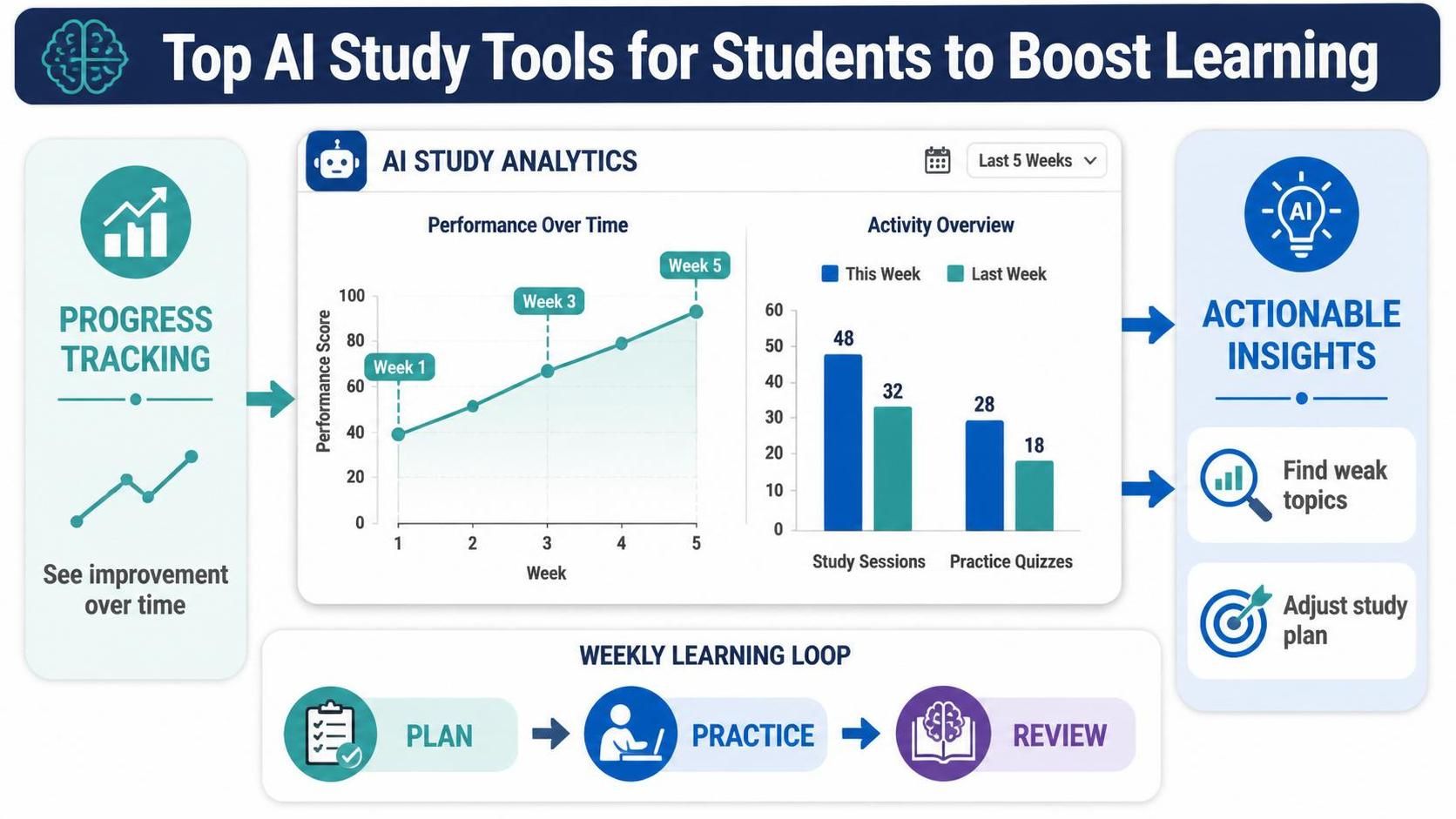
The effectiveness of AI study tools can be measured through improvements in academic performance and overall study efficiency. Students can track their progress using built-in analytics features, which provide data on their grades, study habits, and areas needing improvement. Many AI tools also allow users to set and track goals, offering a clear picture of how well they are adhering to their study schedules and improving their understanding of subject material. Regularly analyzing performance metrics not only helps in keeping students accountable but also motivates them to persevere when faced with challenges. Additionally, understanding collective learning patterns can further sharpen their approach to studying and highlight areas that require more attention. By maintaining this level of feedback, students can remain proactive in their academic challenges and celebrate their progress, no matter how small.
Balancing AI Tools with Traditional Study Methods
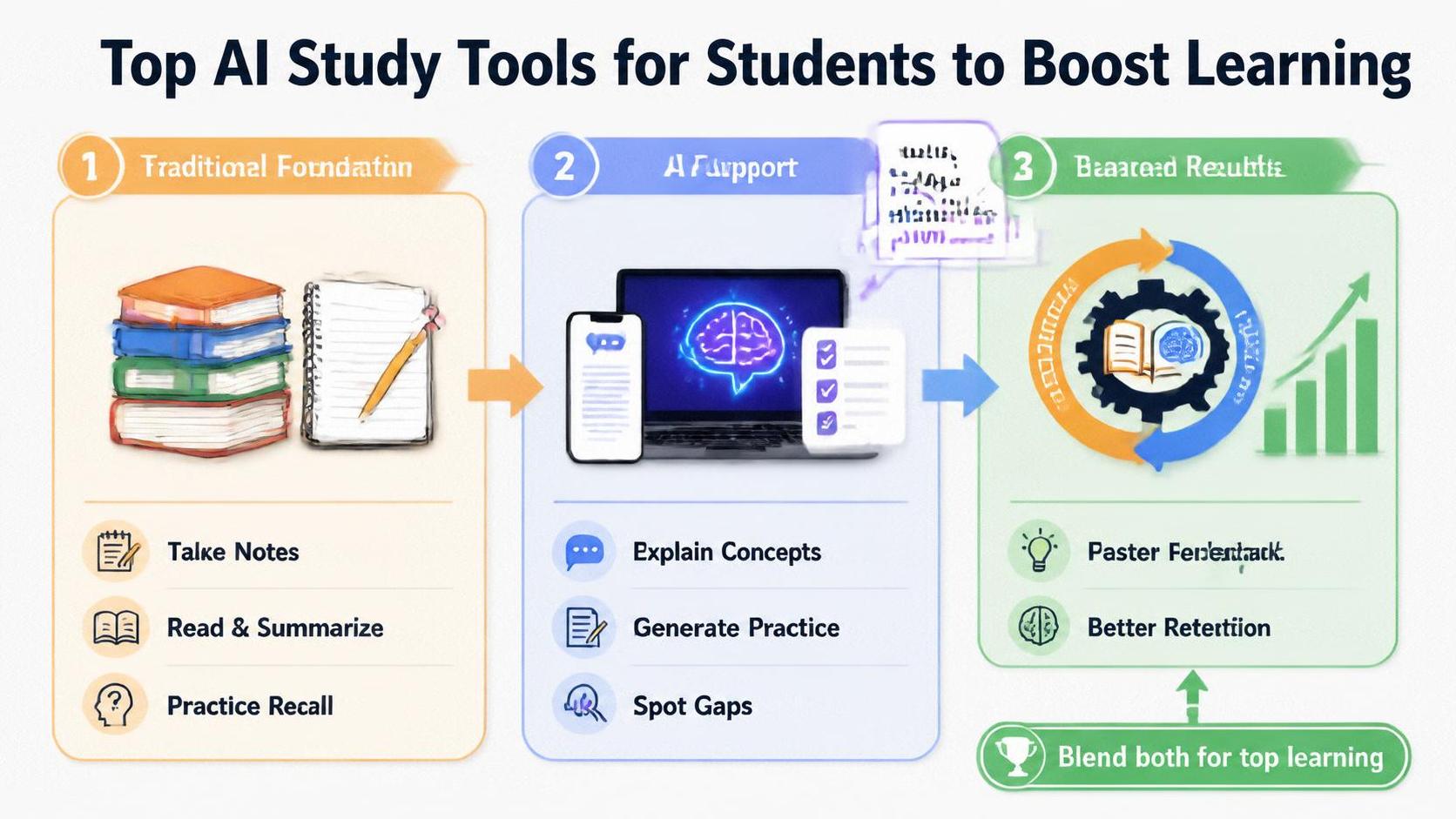
While AI study tools provide significant advantages, it's crucial for students to balance their use with traditional study methods. Relying solely on technology can lead to a superficial understanding of subjects, especially when foundational knowledge is essential for complex topics. Combining AI tools with conventional techniques, such as note-taking, group discussions, or textbooks, fosters a well-rounded educational experience. By blending the flexibility of AI with structured learning, students can strengthen their comprehension and retention. They should also be encouraged to engage actively with their peers and instructors, making collaborative learning a key aspect of their academic journey. This not only helps to deepen their understanding but also prepares them for real-world applications of their knowledge. As students adapt to the evolving landscape of education, recognizing the importance of traditional study methods alongside AI tools will empower them to navigate their learning environments effectively.
Frequently asked questions
AI study tools are technologies that use algorithms and machine learning to assist students in mastering their subjects more effectively, providing personalized educational experiences.
These tools enhance learning efficiency by tailoring study plans to individual needs, tracking progress, and providing interactive resources that boost comprehension.
Some popular AI study tools include Grammarly, Quizlet, Khan Academy, Socratic, and Wolfram Alpha, each offering unique features for different academic needs.
Students should consider their learning style, subject matter, key features, user experience, and seek recommendations to select the appropriate AI study tool for their needs.
Grammarly helps students improve writing clarity and tone, offering insights on style and assisting them with drafting essays and reports.
Quizlet allows students to create flashcards and interactive sets, utilizing AI to recommend study materials based on performance.
Khan Academy personalizes learning experiences through tailored exercises that adapt to a student's learning speed, enhancing comprehension of various subjects.
Socratic uses AI to help students understand complex topics by providing explanations through images, videos, and step-by-step guides.
Wolfram Alpha is a computational engine that aids STEM students by solving complex mathematical problems and providing data-driven answers across disciplines.
Students can track their progress and academic performance using built-in analytics features, helping them identify areas for improvement and measure adherence to study schedules.