As technology continues to evolve, artificial intelligence is transforming the educational landscape. AI learning assistants have emerged as invaluable tools, offering personalized support and enhancing the academic experience for students. These innovative solutions cater to diverse learning styles, making it easier for learners to access information and improve their understanding of complex subjects. In this article, we will explore some of the best ai-learning-assistant options available today, highlighting their unique features and benefits that can help students achieve their educational goals.
Article · Ai Learning Assistant
Top AI Learning Assistants for Students That Enhance Education
Discover the best ai-learning-assistant tools for students, exploring features and benefits that boost learning and support academic success.
Understanding AI Learning Assistants
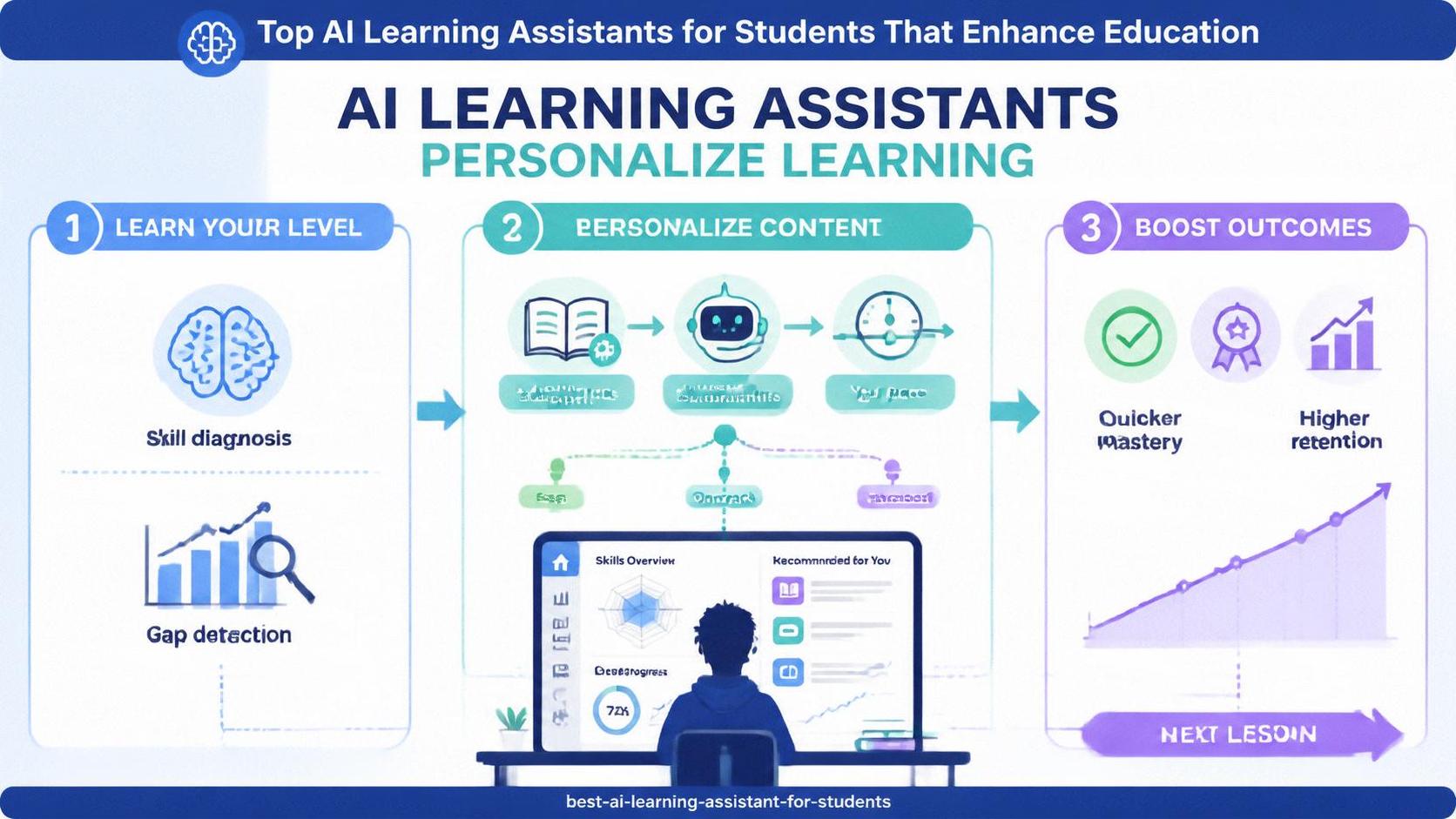
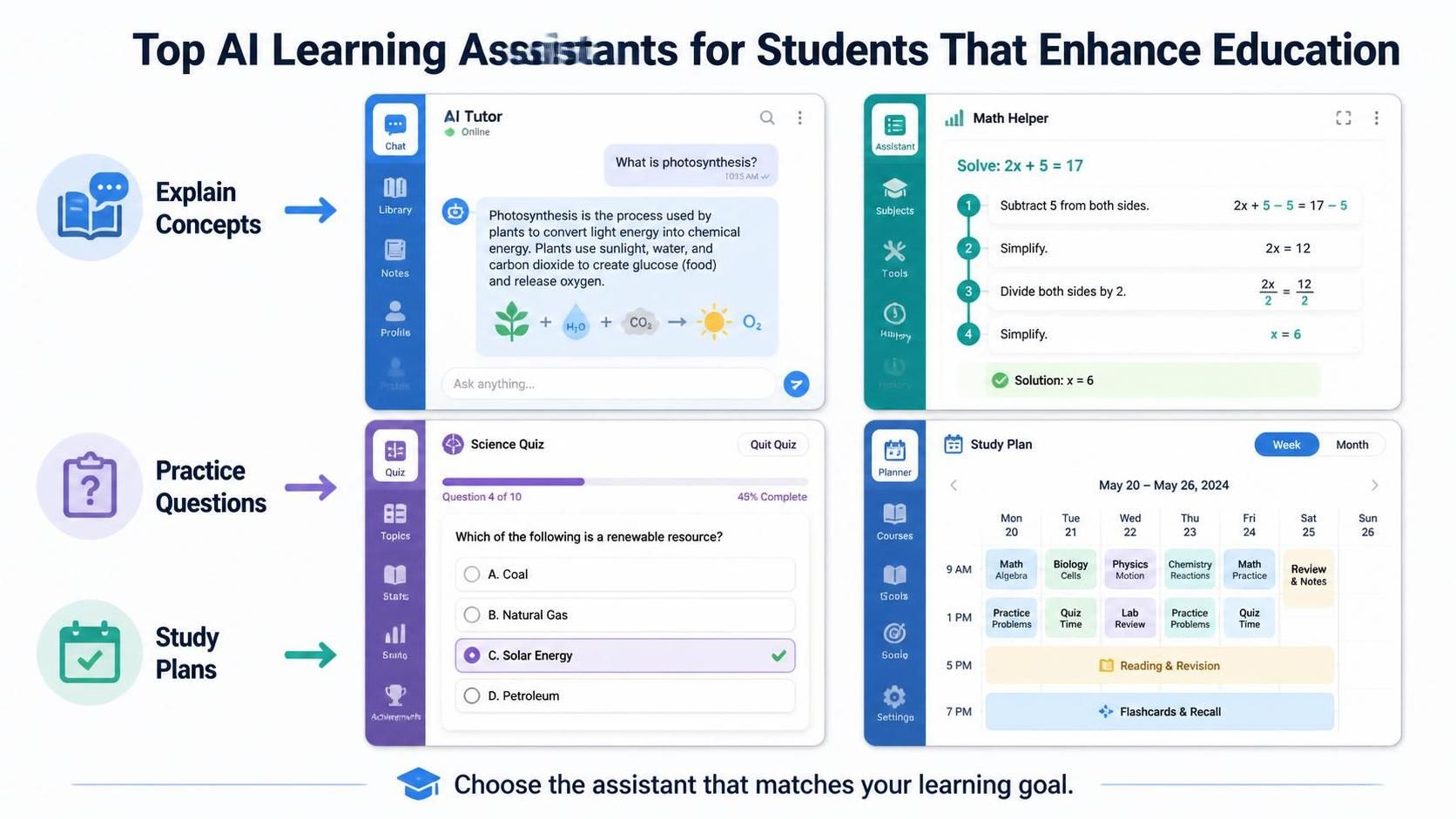
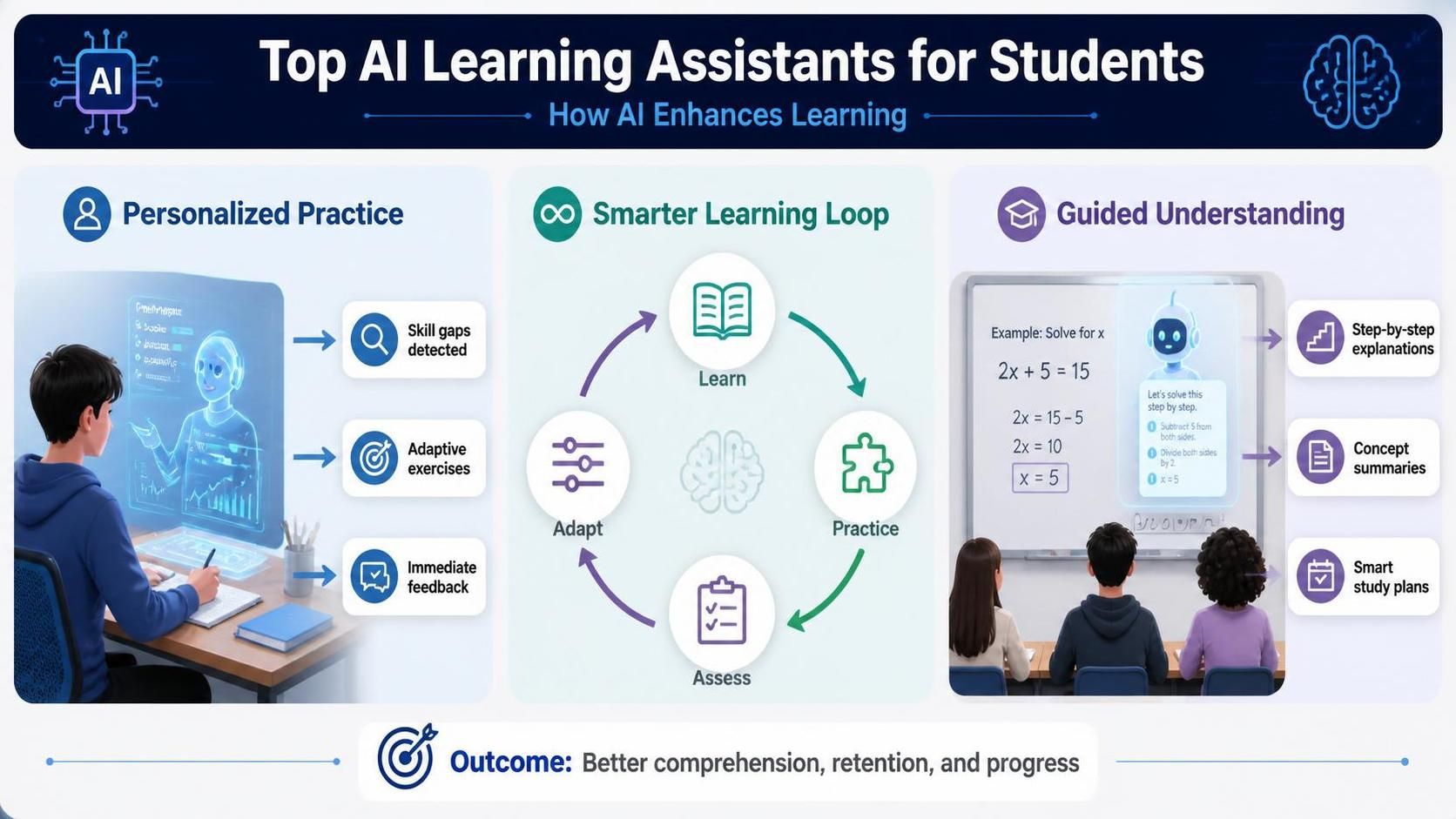
AI learning assistants leverage algorithms and data to provide tailored educational support to students. These digital tools can help enhance learning by offering personalized resources, feedback, and guidance on various subjects. Unlike traditional learning methods, AI learning assistants adapt to the unique preferences and paces of individual learners, making education more accessible and efficient. They analyze user performance, recommend study materials, and even simulate tutoring sessions, thereby creating an interactive learning environment tailored specifically for the user.
Key Features of AI Learning Assistants
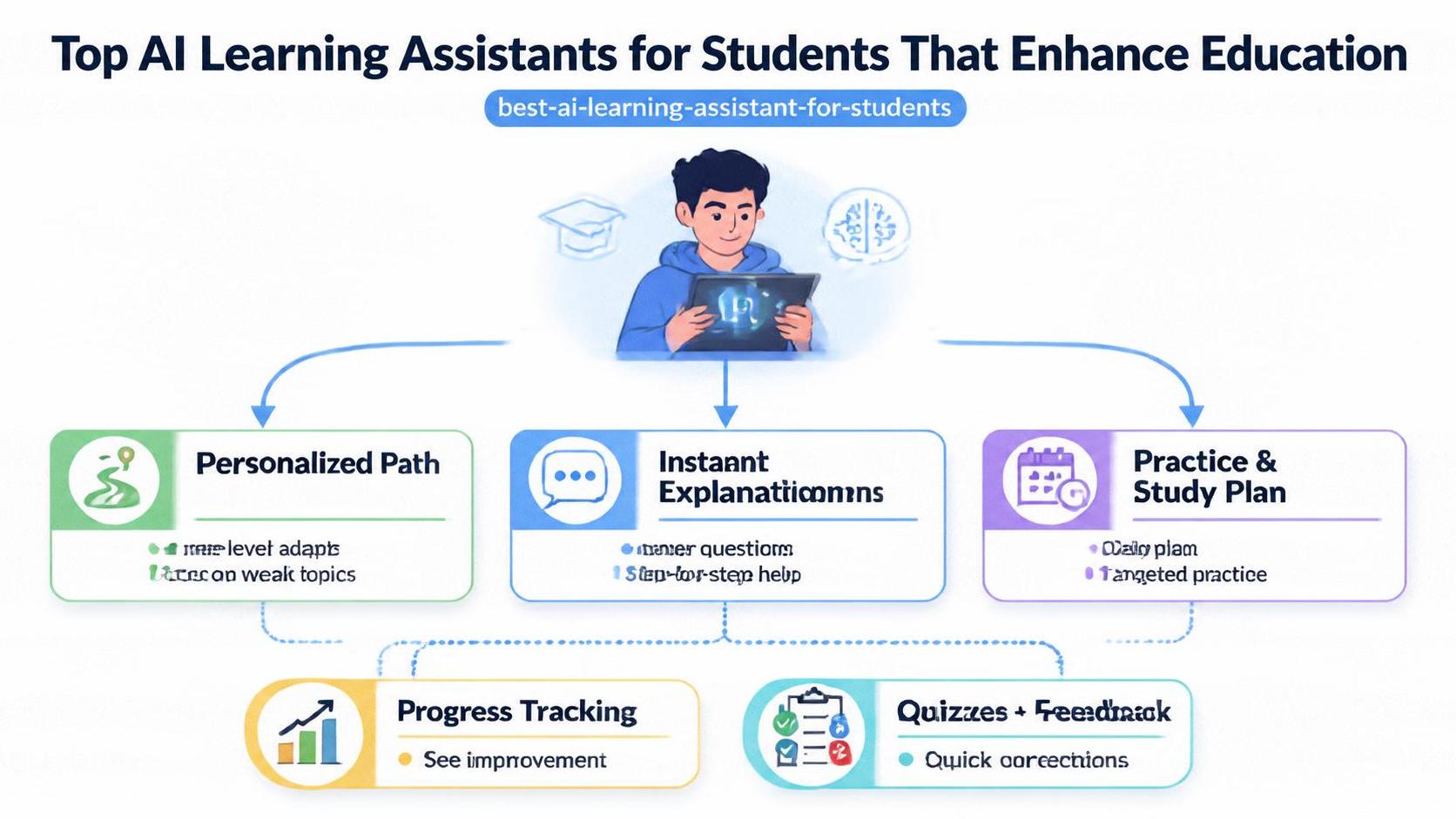
The best AI learning assistants come equipped with a variety of features that make them suitable for diverse educational contexts. Key functionalities typically include: Personalized Learning Paths: By assessing a student's strengths and weaknesses, these assistants can create customized study plans aimed at addressing individual academic needs. Interactive Learning Experiences: Utilizing gamification and interactive exercises, AI assistants keep students engaged while they learn, turning often dull subject matter into stimulating challenges. Real-Time Feedback: Students receive immediate insights into their performance, allowing them to adjust their learning strategies effectively. 24/7 Availability: Unlike traditional tutors, AI learning assistants are available around the clock, providing support whenever a student needs it, and fostering learning outside the classroom. Resource Recommendations: They can suggest articles, videos, and practice exercises based on the student's current topics of study, helping to reinforce learning.
Benefits of Using AI Learning Assistants
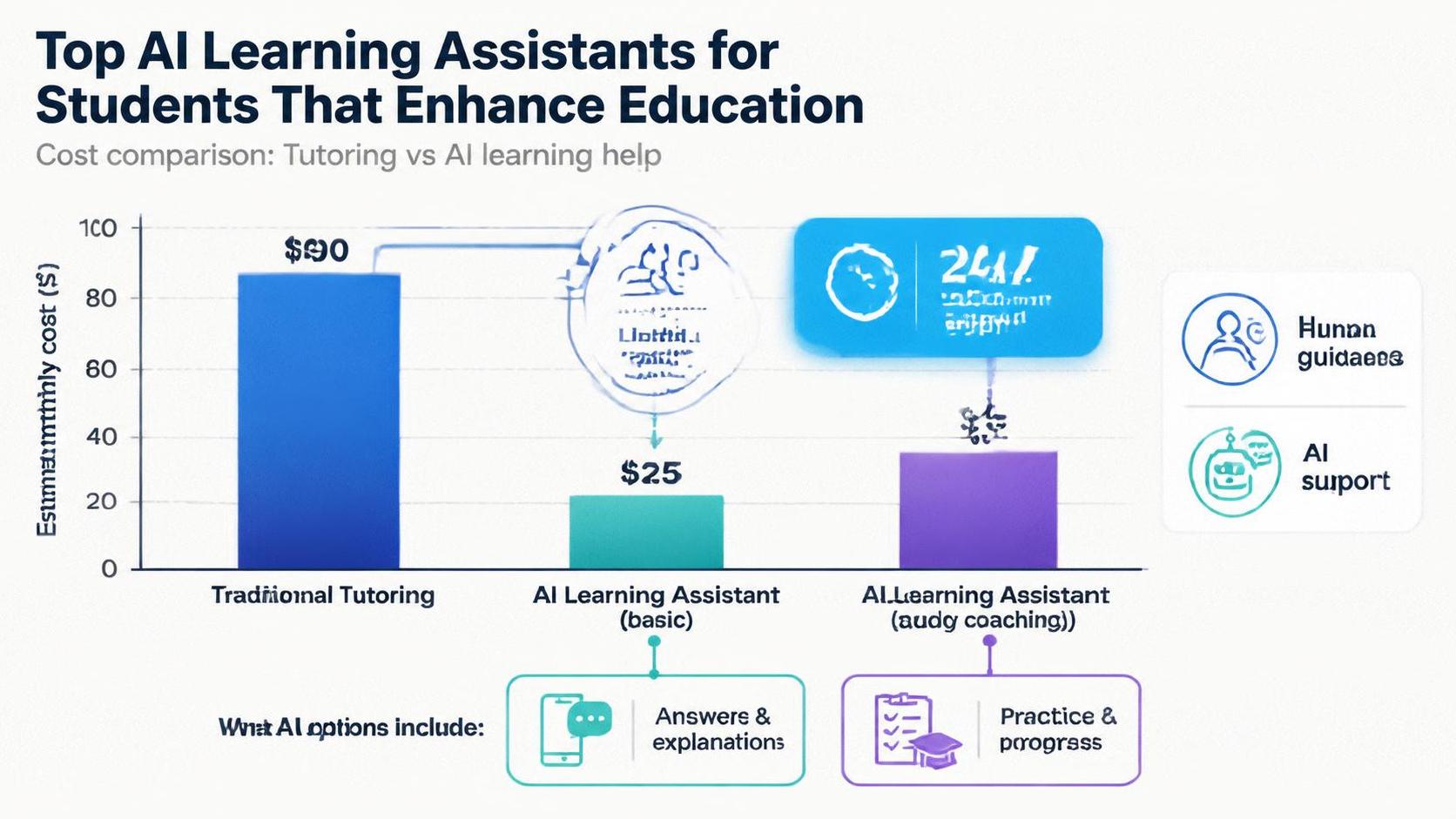
The integration of AI learning assistants into education processes offers numerous benefits to students. Enhanced Understanding: These tools often explain concepts in alternative ways, enabling students to grasp difficult topics that may not resonate with them through traditional teaching methods. Increased Engagement: AI learning assistants use various interactive techniques to maintain student interest, crucial for effective learning. Immediate Access to Information: Students do not need to wait for scheduled tutoring sessions to get help. AI provides answers instantly, allowing for continuous learning. Cost Efficiency: Many AI learning assistants come at a fraction of the cost of traditional tutoring, making them accessible to a larger number of students. Adaptability: As students progress, these assistants adjust their recommendations, ensuring that learners are always challenged appropriately without feeling overwhelmed.
Popular AI Learning Assistants for Students
When selecting an AI learning assistant, it is essential to consider the available options. Here are some of the most effective AI-learning-assistant tools currently on the market. Socratic by Google: This AI-powered tool offers solutions for math, science, literature, and more by using photos of textbook questions. Socratic not only provides answers but also offers instructional videos and explanations to help students understand the underlying concepts. Duolingo: Primarily known for language learning, Duolingo uses AI to personalize the curriculum based on user engagement and success. Its interactive and game-based features engage users while effectively teaching them new languages. Khan Academy: Offering a wide range of subjects, Khan Academy utilizes AI to assess student progress and recommend resources based on performance. It offers instructional videos and exercises for diverse subjects ranging from mathematics to arts and humanities. Quizlet: This platform enhances learning through flashcards and games. AI algorithms help students create personalized quizzes that cater to their learning objectives, reinforcing information retention. Grammarly: While primarily known for writing assistance, Grammarly leverages AI to provide instant feedback on writing, helping students enhance their grammar, style, and tone, making it an essential tool for those in higher education.
How AI Learning Assistants Cater to Different Learning Styles
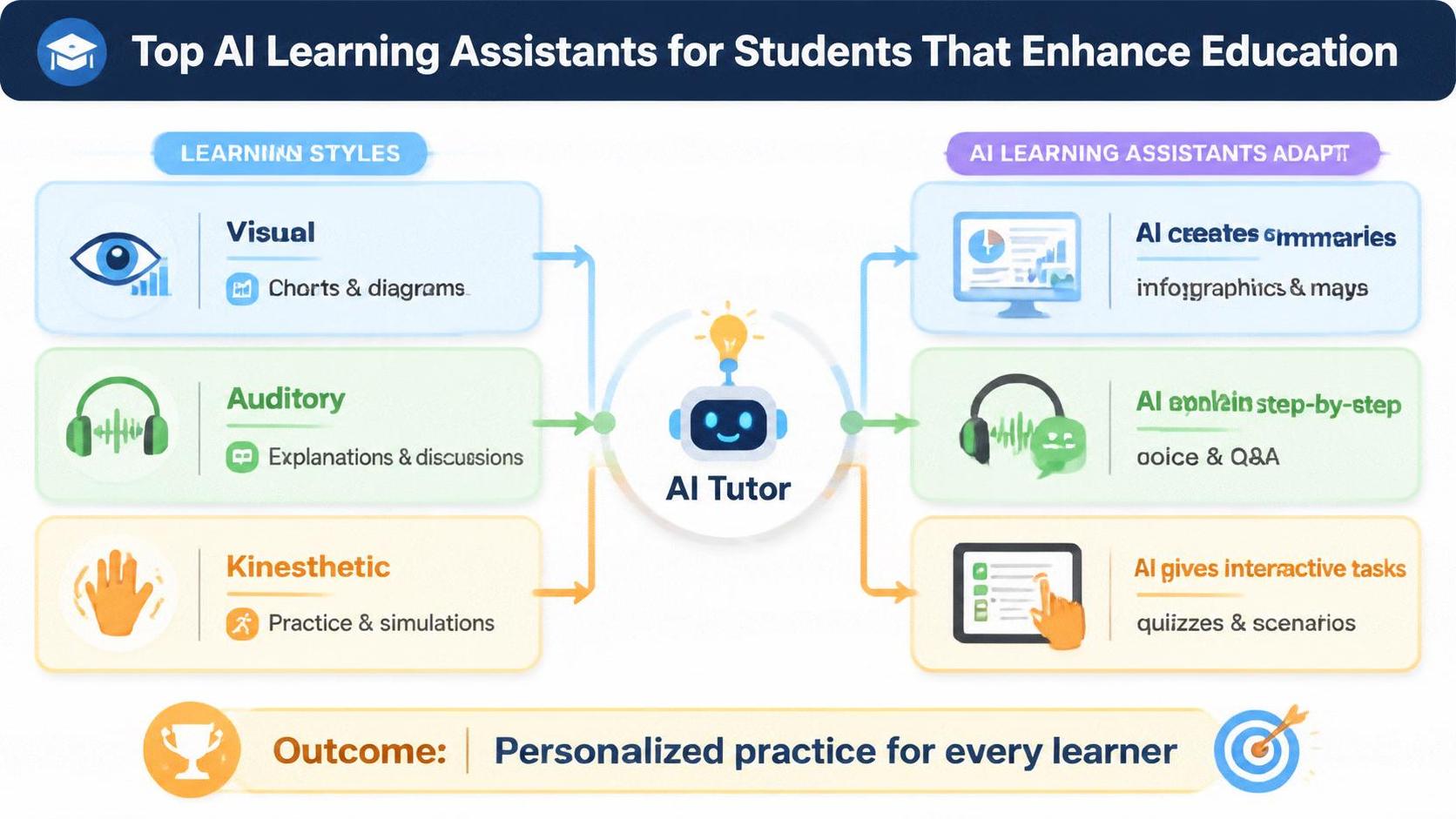
Understanding that every student learns differently is critical to educational success. Here’s how AI learning assistants cater to various learning styles: Visual Learners: Assistants that utilize videos, infographics, and charts help visual learners grasp concepts more effectively. For instance, platforms like Khan Academy often explain complex subjects using engaging visuals. Auditory Learners: AI tools that include audio explanations or reading aloud features can significantly benefit auditory learners. Many language-learning tools also incorporate spoken drills, which help reinforce learning through hearing. Kinesthetic Learners: AI assistants that include interactive simulations, gamification, and problem-solving exercises engage kinesthetic learners. These tools allow students to learn by doing, rather than through passive observation. Reading/Writing Learners: Tools like Grammarly cater to those who prefer reading and writing, providing resources to refine writing skills and offering textual analysis and feedback. By addressing the specific styles, AI learning assistants make education more inclusive, ensuring learners are not left behind.
Choosing the Right AI Learning Assistant
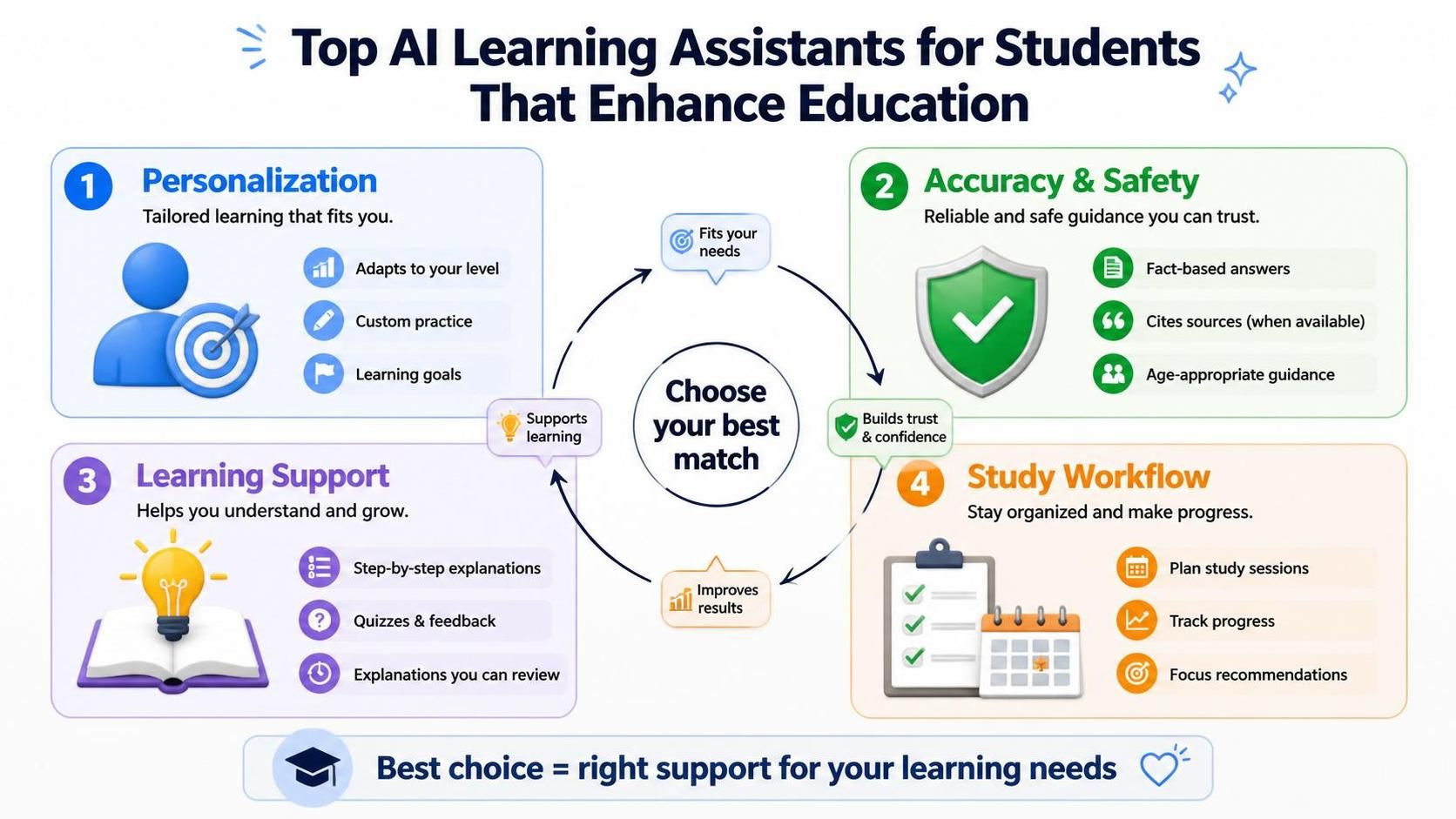
With numerous options available, selecting the best AI learning assistant can be daunting. Here are key factors to consider: Identify Your Needs: Determine what subjects or areas you wish to improve in. This will guide you to a platform that specializes in your area of focus. User-Friendliness: Opt for an assistant with an intuitive interface that makes navigation easy, especially for younger students. Customization Options: Explore tools that allow for personalization in study paths, resources, and feedback to best suit learning needs. Compatibility: Ensure the assistant can work across different devices, such as tablets, smartphones, and computers, providing flexibility in access. Community and Support: Investigate if the platform has a community aspect or offers additional support, which can be beneficial for collaborative learning.
Ensuring Security and Privacy
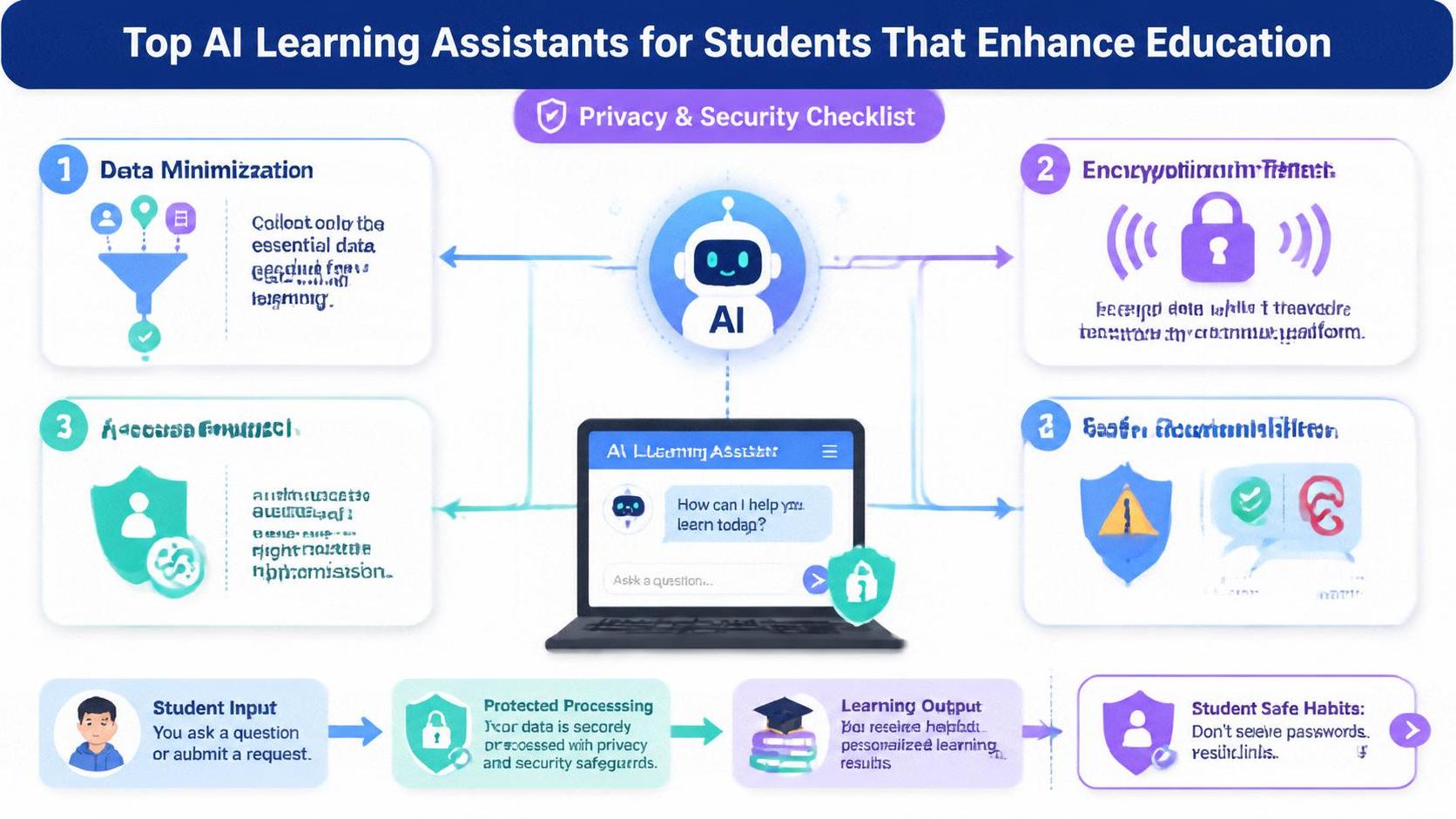
As with any online tool, security and privacy are paramount when using AI learning assistants. It's essential to review the platform’s privacy policies, ensuring that student data is secured, notably for younger users. Parents should discuss online safety and potential risks with their children to cultivate a safe educational environment. Additionally, using tools with encryption and secure sign-in options can help ensure that personal information is not at risk of exposure. Educational institutions can play a pivotal role by incorporating policies regarding the adoption of AI learning tools that adhere to student privacy.
Future Trends in AI Learning Assistants
The future of AI learning assistants promises to bring even more sophisticated and effective learning resources. New advancements in natural language processing will make interactions more intuitive and human-like, allowing students to engage more readily with these tools. Machine learning will enable assistants to analyze student data even more effectively, continuously refining their ability to provide personalized recommendations. Furthermore, developments in collaborative learning environments will enhance peer learning opportunities, where students can learn from each other with the assistance of AI. By embracing these trends, educational institutions and students can look forward to even greater advancements in academic support tools.
Frequently asked questions
An AI learning assistant is a digital tool that leverages algorithms and data to provide personalized educational support to students.
They analyze a student’s strengths and weaknesses to create tailored study plans and recommend resources based on performance.
Key features include personalized learning paths, interactive experiences, real-time feedback, 24/7 availability, and resource recommendations.
They utilize gamification and interactive exercises to make learning more enjoyable and keep students interested.
Benefits include enhanced understanding of concepts, increased engagement, immediate access to information, and cost efficiency compared to traditional tutoring.
Popular options include Socratic by Google, Duolingo, Khan Academy, Quizlet, and Grammarly.
They cater to various learning styles by using visuals, audio explanations, interactive simulations, and text-based resources.
Consider factors like your educational needs, user-friendliness, customization options, compatibility, and available support.
Security and privacy are crucial to protect student data, especially for younger users, and to ensure a safe educational environment.
Future trends include advancements in natural language processing, improved machine learning capabilities, and enhanced collaborative learning opportunities.